 (888) 999-1405
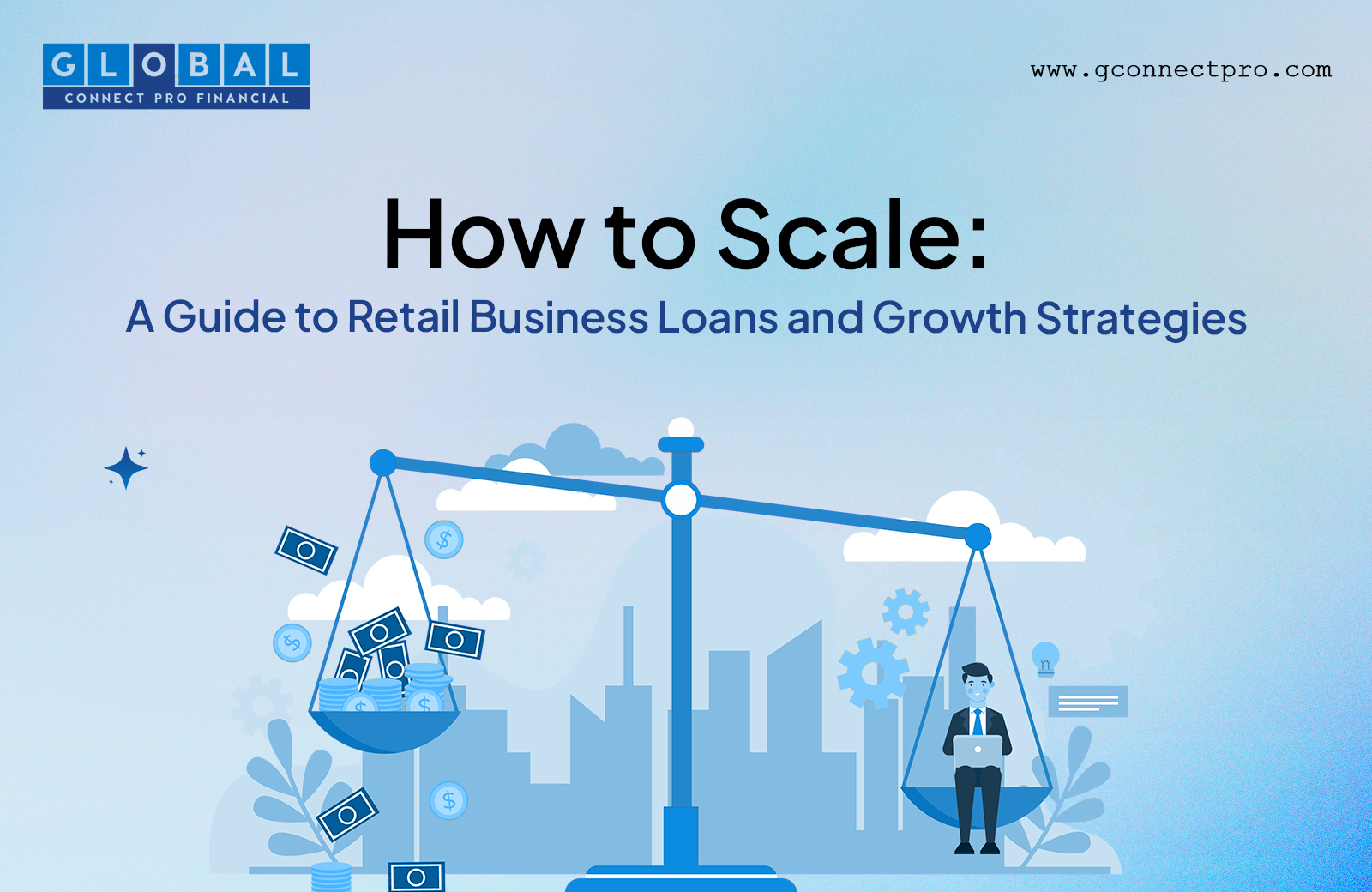
How to Scale: A Guide to Retail Business Loans and Growth Strategies
Quick Answer: Retail business loans give shop owners capital for inventory, renovations, new locations, cash flow and buying an existing business. Common options include working capital loans, term loans, retail commercial loans and acquisition loans. The right choice depends on your growth goal, repayment capacity and business stage. Lenders look for good credit, retail experience, a clear plan and financial statements. Build a growth strategy first, then borrow, so the loan supports profit instead of straining cash flow.
How Can Retail Business Loans Help You Scale?
Scaling a retail business is an exciting milestone – but it also comes with financial and strategic challenges. Whether you run a neighborhood shop or a multi-location retail store, access to the right retail business loans and a clear growth plan can make the difference between slow progress and sustainable success.
This guide explains business loans for shops, retail store loans, and retail commercial loans, along with practical retail store growth and expansion strategies. If you’re planning to expand, buy an existing business, or strengthen cash flow, this article will help you make informed decisions.
Understanding Business Loans for Retail Stores
A business loan for a shop or retail store is designed to help owners fund operations, expansion, inventory, or acquisitions. Retail businesses often require upfront capital to manage stock, rent, staff, and marketing – making loans a critical growth tool.
Common Types of Retail Store Loans
- Business loan for retail store: Used for daily operations, upgrades, or expansion
- Retail commercial loans: Ideal for buying property, renovating stores, or large-scale expansion
- Working capital loans: Helps manage seasonal demand and cash flow gaps
- Term loans: Fixed repayment structure for long-term investments
Choosing the right loan depends on your growth goal, repayment capacity, and business stage.
How Do I Get a Business Loan to Buy a Business?
Many retailers scale faster by acquiring an existing shop instead of starting from scratch. A common question is: how do I get a business loan to buy a business?
Yes – you can get a business loan to buy a business, provided you meet certain criteria.
Key Requirements Lenders Look For
- Strong personal and business credit score
- Proven retail or management experience
- Clear business acquisition plan
- Financial statements of the business you want to buy
- Down payment or owner investment
Lenders want to see that the acquired business can generate enough revenue to repay the loan. A detailed business plan significantly improves approval chances.
Can You Get a Business Loan to Buy a Business? (Expert Insight)
From a lender’s perspective, retail acquisitions are less risky than startups when the business already has customers and revenue. This is why many banks and NBFCs offer tailored retail commercial loans for acquisitions.

However, approval depends on:
- Profitability of the existing store
- Market demand and competition
- Your operational expertise
Pro tip: Work with a financial advisor or loan expert to structure the loan properly and negotiate favorable terms.
Retail Store Growth Strategy: Build Before You Borrow
Before applying for any retail store loan, it’s essential to define your retail store growth strategy. Funding without a strategy can strain cash flow instead of accelerating growth.

Proven Retail Store Growth Strategies
01. Increase Average Order Value (AOV)
Introduce bundles, cross-selling, or premium products.
02. Expand Product Lines
Add complementary items that align with customer demand.
03. Strengthen Supplier Relationships
Better credit terms improve margins and reduce capital pressure.
04. Omnichannel Presence
Combine physical stores with online sales to reach more customers.
A strong growth strategy reassures lenders and improves ROI on borrowed funds.
Retail Store Expansion Strategy: Scaling the Right Way
A retail store expansion strategy focuses on growing your physical or digital footprint without overextending finances.
Popular Expansion Options
- Opening new store locations
- Renovating or upgrading existing stores
- Investing in warehousing and logistics
- Expanding into new cities or regions
Retail commercial loans are commonly used for expansion projects, especially when real estate or infrastructure is involved.
Smart Expansion Tips
- Test new markets with pop-up stores
- Analyze footfall and demographics
- Scale gradually instead of all at once
Expansion backed by data and planning leads to long-term stability.
Choosing the Right Retail Business Loan
Not all loans are created equal. Selecting the right retail store loan depends on your business objective.
| Business Goal | Recommended Loan Type |
|---|---|
| Inventory purchase | Working capital loan |
| Store renovation | Term loan |
| New location | Retail commercial loan |
| Buying a business | Acquisition loan |
| Cash flow support | Short-term business loan |
Always compare interest rates, repayment terms, and prepayment flexibility.
Common Mistakes to Avoid When Scaling with Loans
- Borrowing without a clear growth plan
- Ignoring cash flow forecasts
- Choosing short-term loans for long-term needs
- Expanding too fast without market validation
Avoiding these mistakes protects profitability and business health.
What Do the Numbers Say About Retail Business Loans?
Federal data shows why a plan matters before you borrow.
- There are about 36.2 million small businesses in the U.S (SBA Office of Advocacy).
- 60% of small employer firms sought some kind of financing (Federal Reserve Banks, 2026 Report on Employer Firms).
- 75% of firms cited rising costs of goods, services or wages as a financial challenge (Federal Reserve Banks, 2025 Report on Employer Firms).
- 51% of firms cited uneven cash flows as a financial challenge (Federal Reserve Banks, 2025 Report on Employer Firms).
Case Study: How I Matched a Store Renovation to the Right Loan Term
In our experience, retailers get into trouble when a short repayment window funds a long-term project. Matching the loan term to the project protects cash flow.
I tested this on one sample shop planning a $50,000 store renovation at an illustrative 10% rate. I compared a 12-month short-term loan with a 5-year term loan. Here is what we found:
- 12-month short-term loan: about $4,396 a month, with about $2,750 in total interest.
- 5-year term loan: about $1,062 a month, with about $13,741 in total interest.
- The longer term frees about $3,333 a month for stock, staff and marketing.
- The trade-off is about $10,992 more interest over the life of the loan.
The result: the monthly payment fell from about $4,396 to $1,062, which kept cash flow steady during the renovation.
Final Thoughts: Scale with Strategy, Not Just Capital
Scaling a retail business requires more than funding – it requires smart borrowing and strategic planning. Whether you’re looking for a business loan for a shop, exploring retail commercial loans, or wondering can you get a business loan to buy a business, the answer lies in preparation and clarity.
By combining the right retail store growth strategy, a realistic retail store expansion strategy, and well-structured financing, you can scale sustainably and confidently.
Frequently Asked Questions
What can a retail business loan be used for?
A retail business loan can fund daily operations, inventory, store upgrades, expansion or the purchase of an existing shop. The best loan type depends on your goal.
Can you get a business loan to buy a business?
Yes, if you meet lender criteria. Lenders look for strong credit, retail experience and a clear acquisition plan. They also want the target’s financial statements and a down payment.
Which loan is best for buying inventory?
A working capital loan is usually the best fit for inventory purchases. It also helps with seasonal demand and cash flow gaps.
What mistakes should retailers avoid when scaling with loans?
Avoid borrowing without a clear growth plan and ignoring cash flow forecasts. Also avoid using short-term loans for long-term needs or expanding before you test the market.